

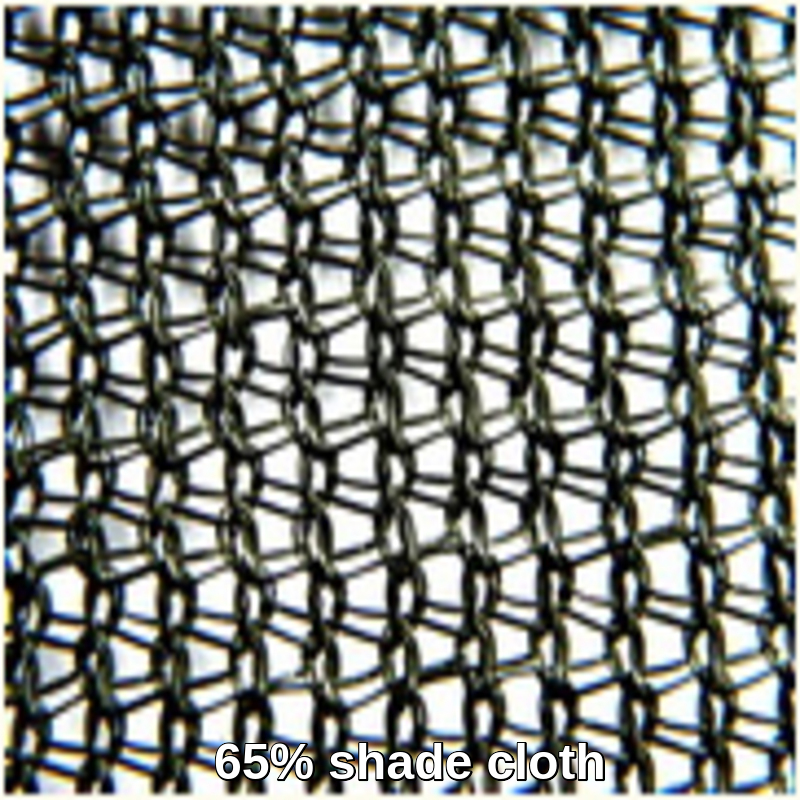

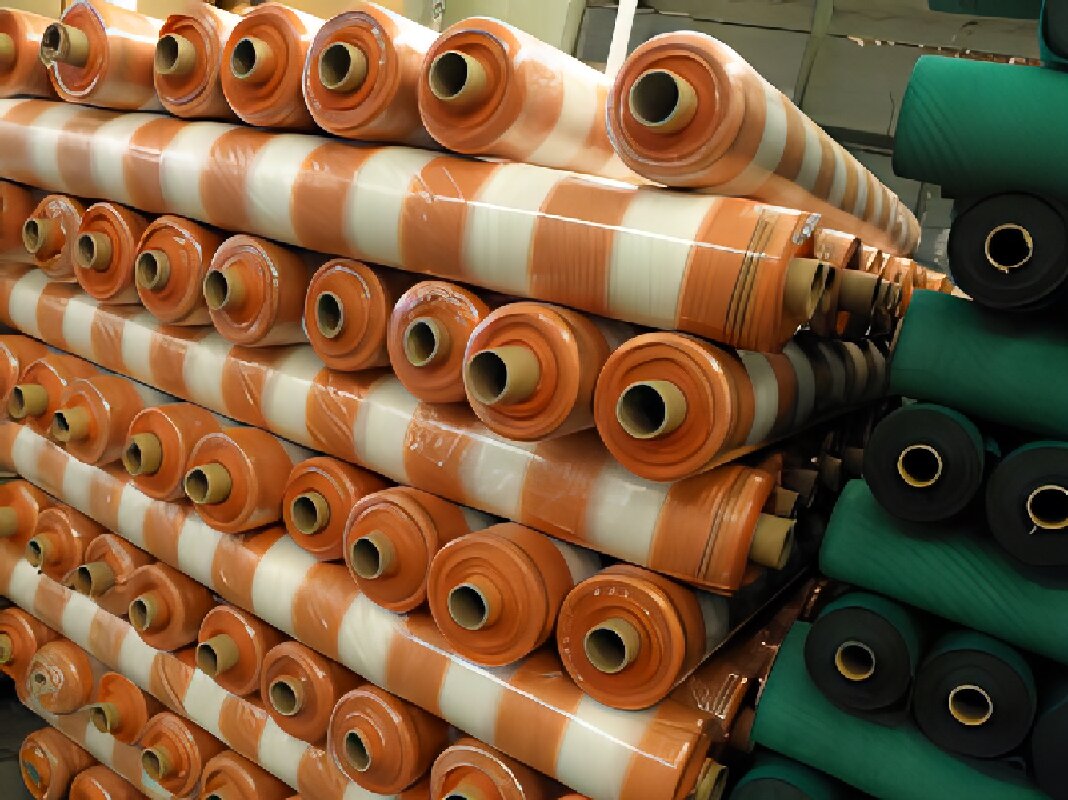
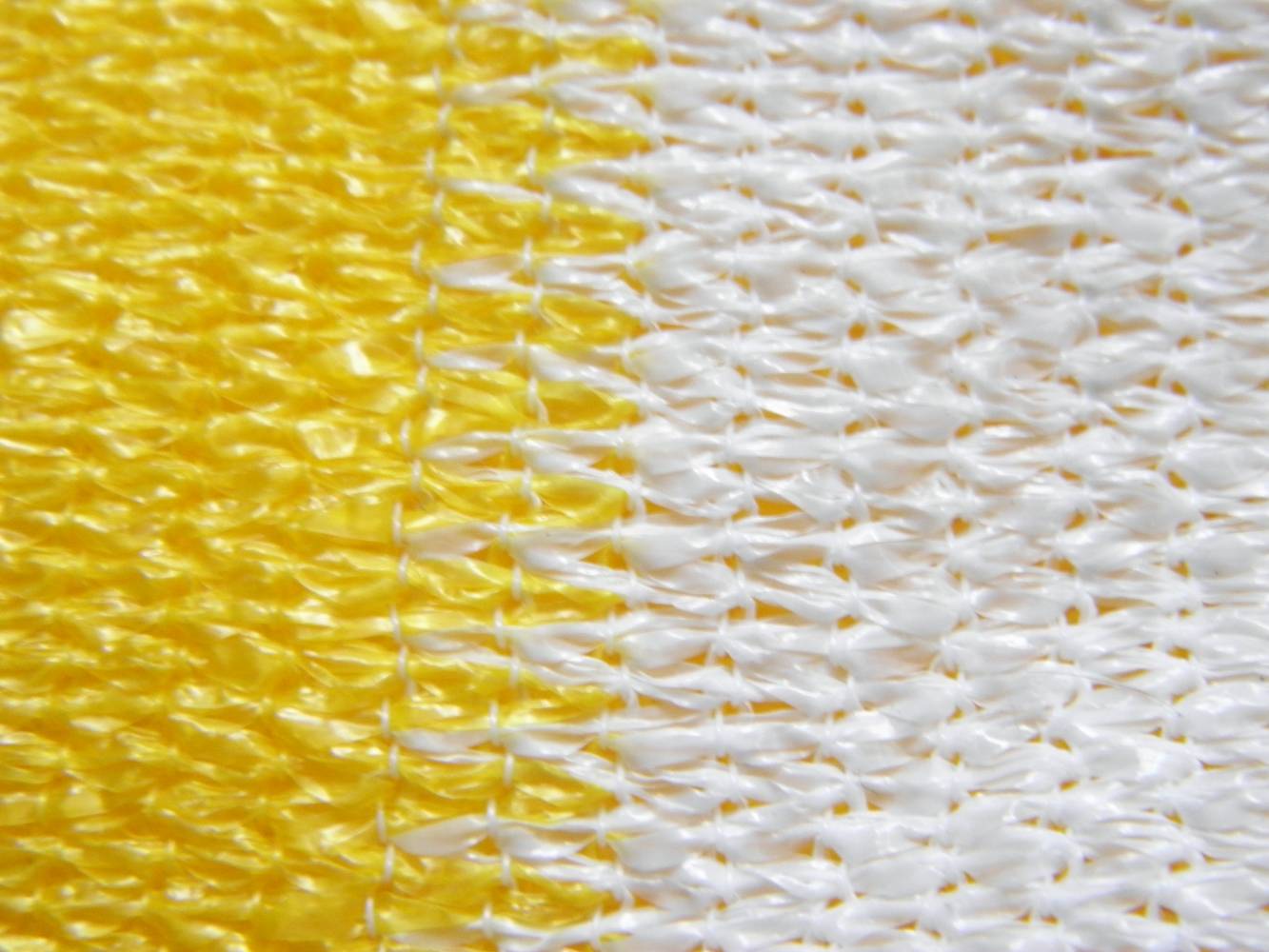

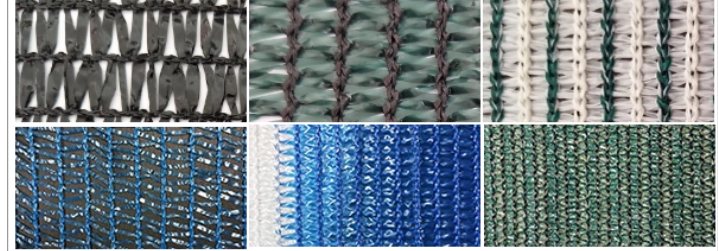

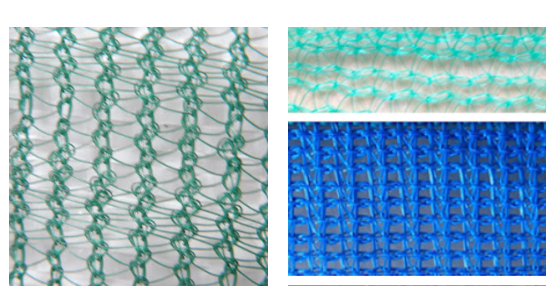

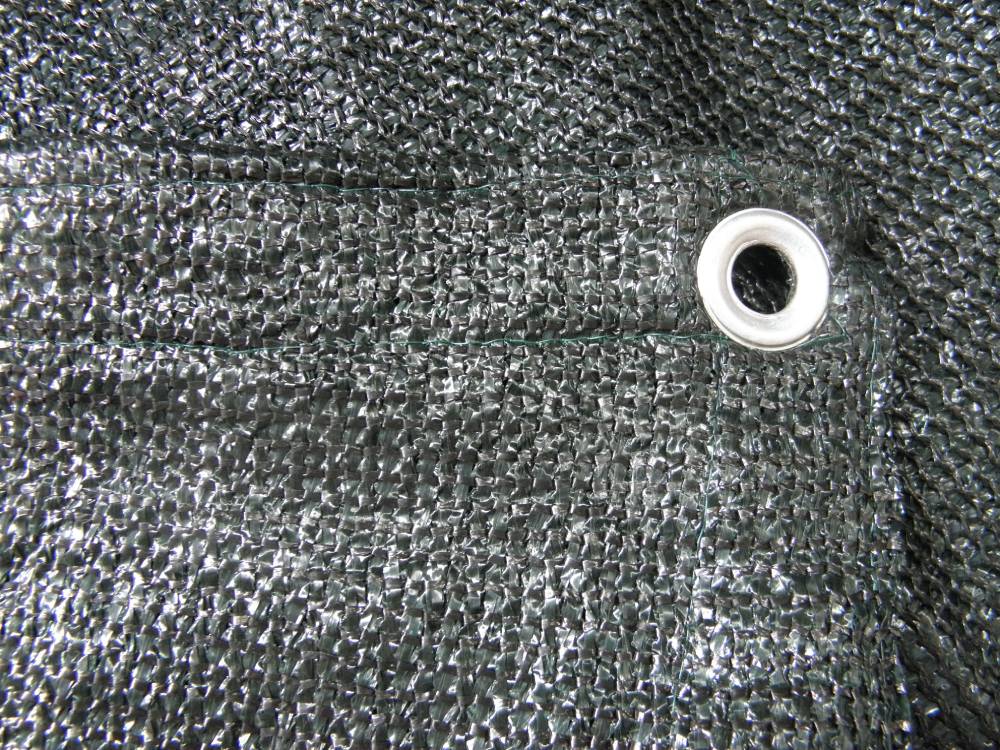



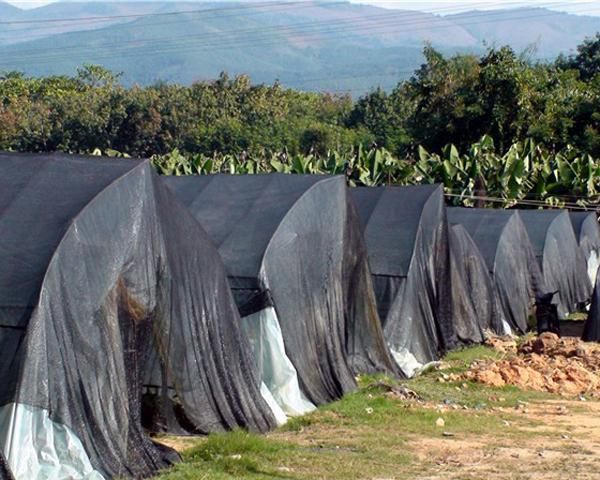
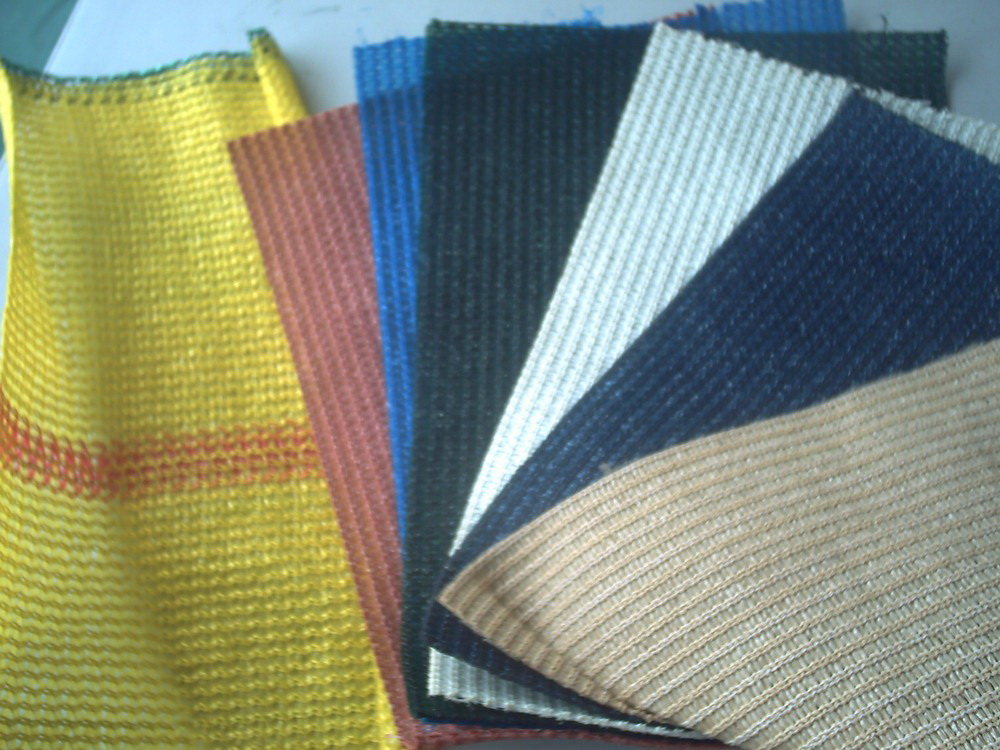

A shade cloth net is a type of fabric or mesh material designed to provide shade and protection from the sun’s rays. It is commonly used in gardening, agriculture, and outdoor activities to create shaded areas. The netting is typically made from a durable and UV-resistant material that allows air circulation while blocking a certain percentage of sunlight. Shade cloth nets come in various densities, with different levels of shade and protection. They can be used to cover garden beds, greenhouse structures, pergolas, and outdoor seating areas to create a cooler and more comfortable environment.
- Material: high density polyethylene monofilament or tape
- UV stablelized
- Lock stiched woven
- Various colors, such as black,green,blue,yellow,white,grey or other color
What Is a Shade Net?
A shade net is a net-like material designed to protect plants and crops that are sensitive to direct sunlight from harsh sunlight and high heat. Commonly made of materials like PO film, it’s extensively used in agriculture, home balconies, condominiums, and vegetable gardens.


Uses of Shade Nets
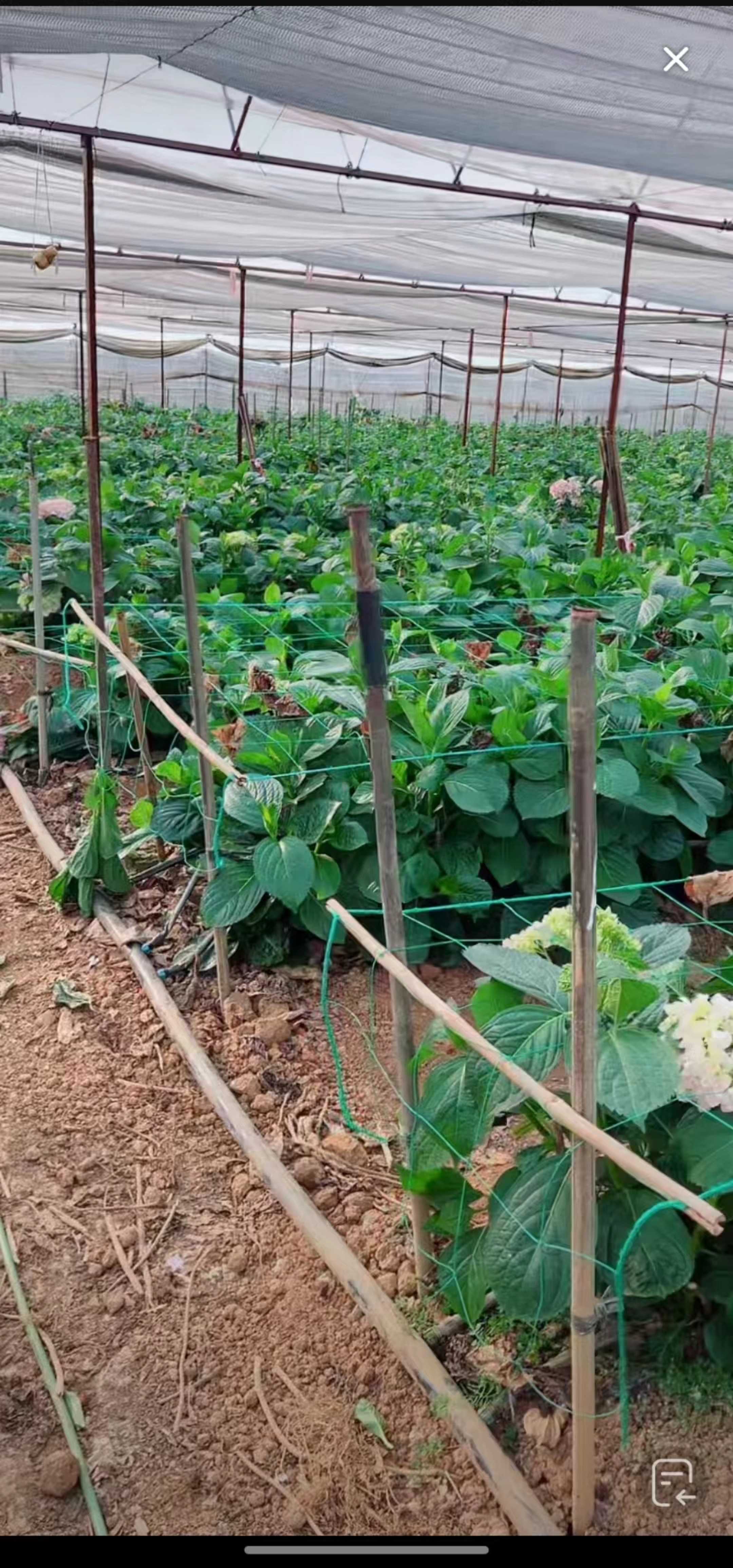
Shade nets are installed in plastic greenhouses, fields, and farm workshops to mitigate high temperatures and prevent frost damage. They are crucial in cultivating light-sensitive crops like mushrooms, which thrive in low-light environments, and ornamentals such as orchids that flourish under gentle, filtered light.
Features of Shade Nets
Shade nets are characterized by their “light shading rate,” indicating the percentage of sunlight they block. The higher the percentage, the greater the shading effect. However, excessive shading may adversely affect some vegetables and flowers, so it’s important to choose the right shading rate.
Pros
Shade nets offer numerous benefits, including protection from direct sunlight and high temperatures, and wind-blocking properties. Lightweight and easy to install, they help maintain soil temperature at appropriate levels, reduce irrigation labor, and prevent leaf burn. Additionally, they can shield agricultural products stored outdoors from rainwater, dust, and radiant heat.
Cons
One downside is the potential for stunted growth if the light and temperature conditions are not optimal for the crops. Also, frequent control of the nets is necessary to prevent disease outbreaks due to moisture.
Types of Shade Nets
Shade nets are available in various colors, each offering different properties:
1. Black
Black shade nets offer the highest light-shielding properties and are UV resistant. Ideal for cultivating mushrooms, they absorb light but may retain heat, making them less suitable for heat-sensitive crops.
2. White
White nets reflect light and provide excellent heat shielding, making them suitable for germinating light-loving vegetables and coloring crops like tomatoes and spinach. However, they are less durable and show dirt more easily.
3. Silver
Silver nets balance light and heat shielding, maintaining moderate light levels and temperatures. They are effective in preventing soil and leaf temperature increases due to sunlight.
4. Blue
Blue shade nets are used for leafy vegetables like spinach, absorbing long-wavelength red light and helping to prevent frost damage in cooler seasons.
How to Select Shade Nets
When choosing a shade net, consider the shading rate and color appropriate for your crops. Opt for a size slightly larger than needed to accommodate slight shrinkage. The type of weave, such as “raschel weave,” should be chosen based on durability and suitability for your agricultural needs. For smaller installations, like at a workshop entrance, select nets with edged dovetailing and secure them to prevent wind displacement.
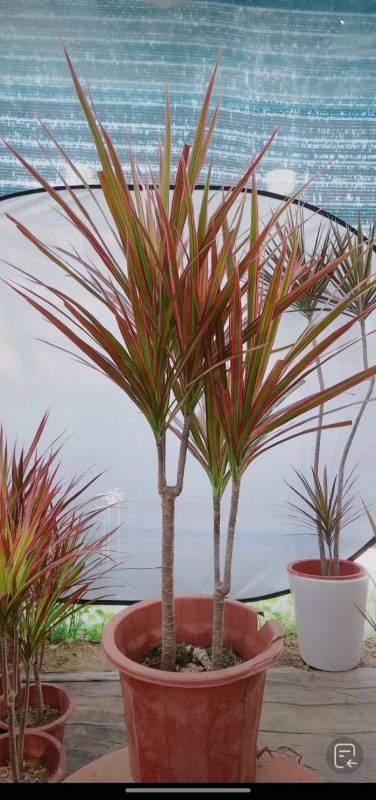
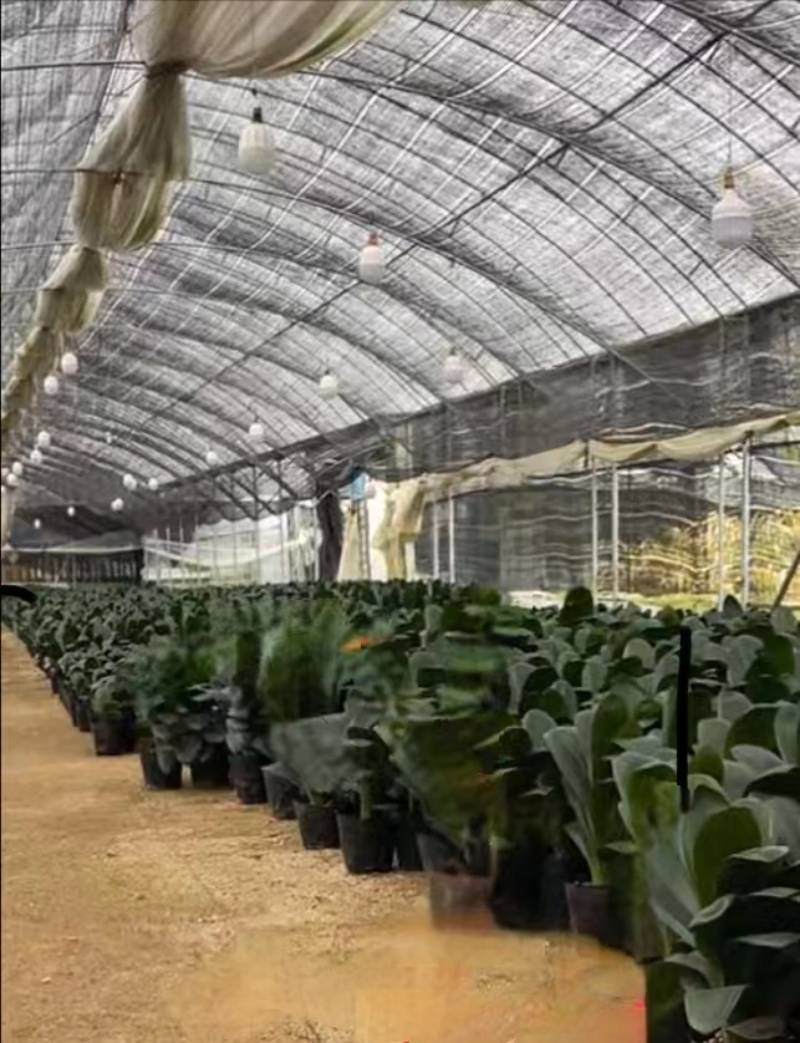
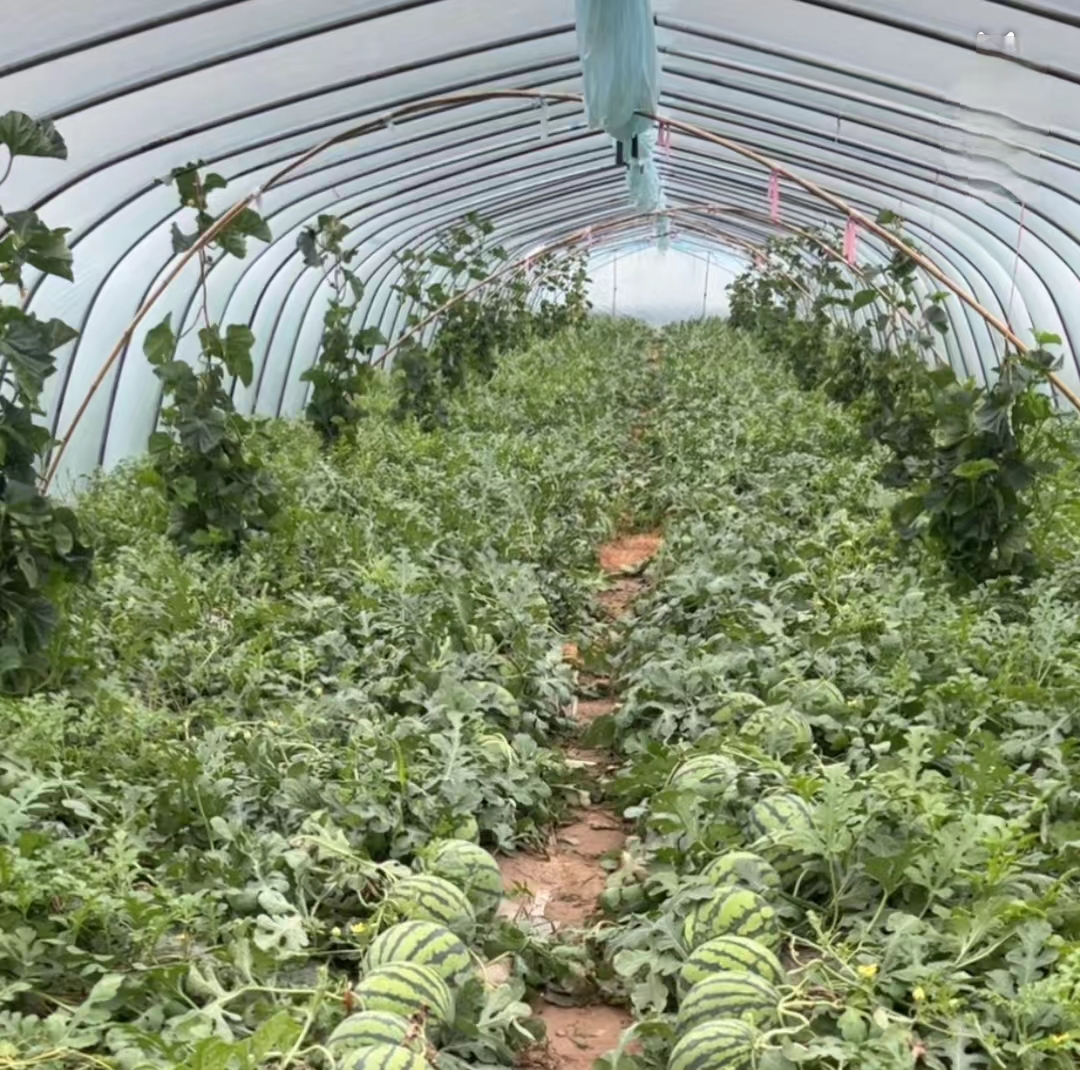
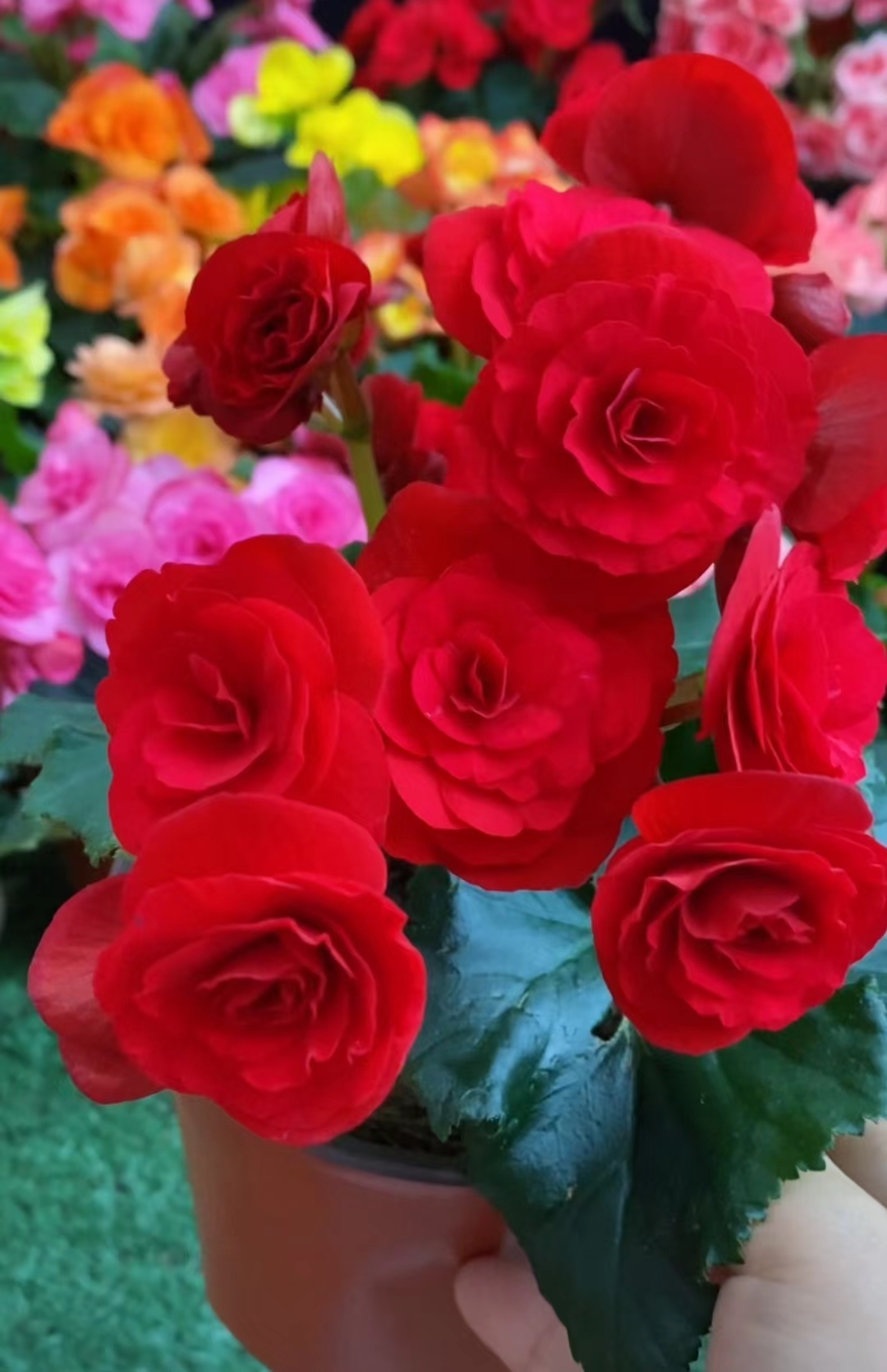
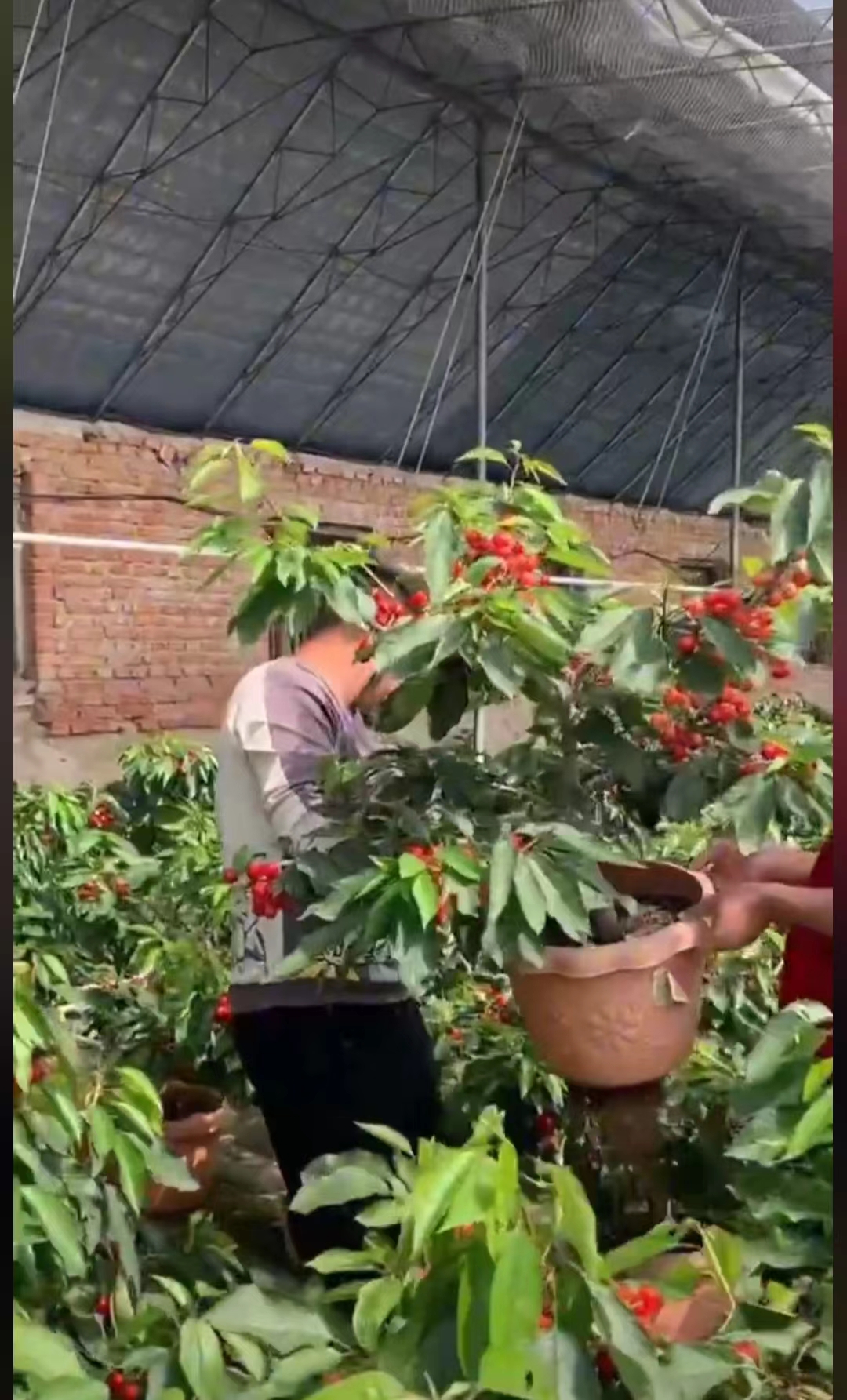

Shade cloth net helps the plants to grow healthy in higher harvest.For cucumber,tomatoes, it can increase the ourtput by 20 %-30% according to the your management.
SHADE CLOTH NET FOR OUTDOOR
Shade coth net aslo can be used as tent or sunlight protection for Cattle shed, Fish Ponds, Poultry Farming, swmming pool,playground,parking areas,balcony.
The main advantage of monofilament and tape knitted shade cloths is that they are lightweight, durable, and easy to install.
The monofilament yarns are knitted into a mesh fabric, which provides extra strength and high durability. The tape yarns are used as the weft of the netting to provide excellent shading and good airflow.
With our variety of fabrics, you can find a shade cloth that perfectly fits your needs.

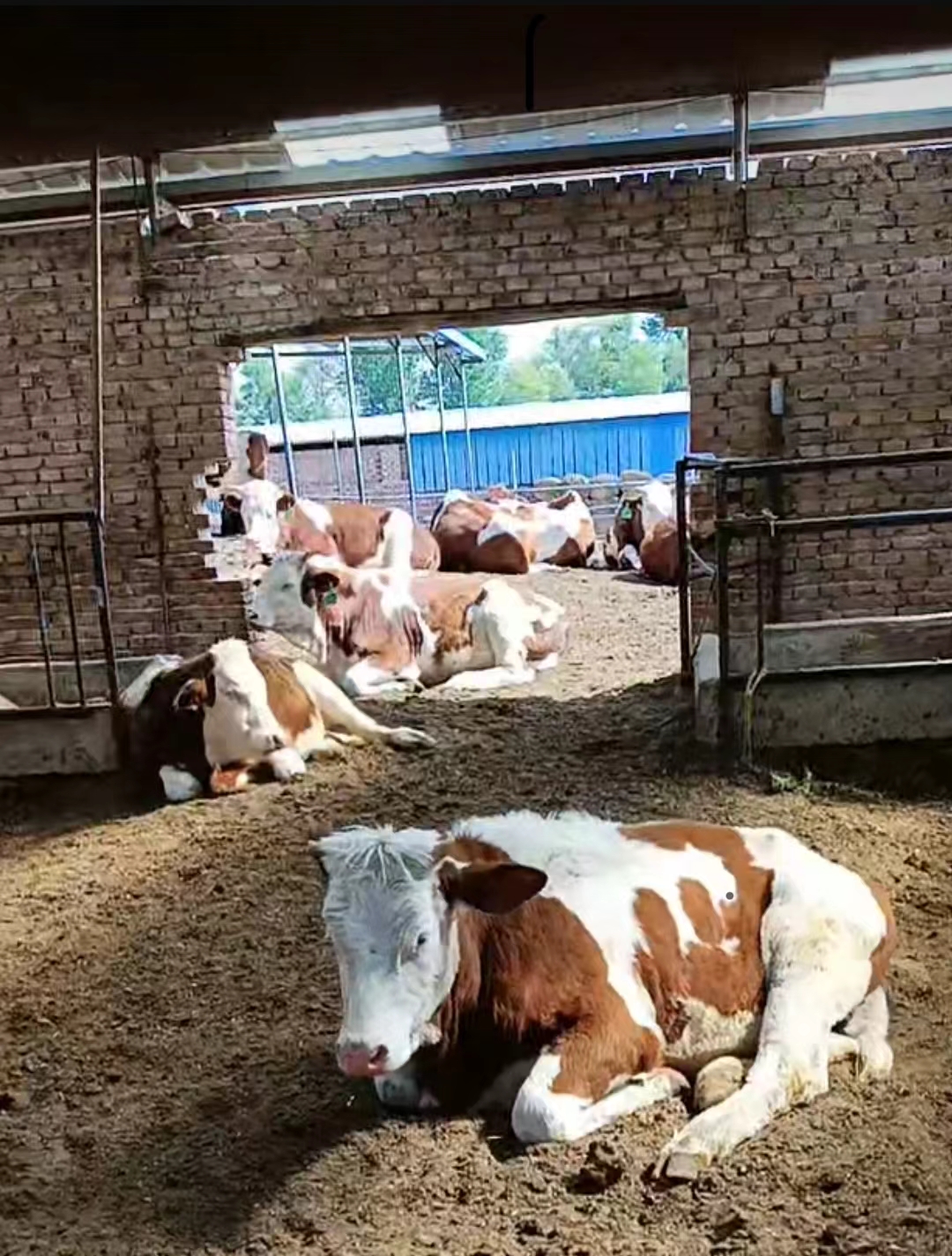
CLASSIFICATION OF SHADE CLOTH NETTING
By weaving method,there are two kinds of shade cloth net:
1: knitted shade coth net: This is made by Raschel warp knitted looms. The output is higher.The lenght is longer to 12m.
2:Woven shade net: It is made by SULZER or Rapier loom.It is precise ,but expensive.The weight is lower.
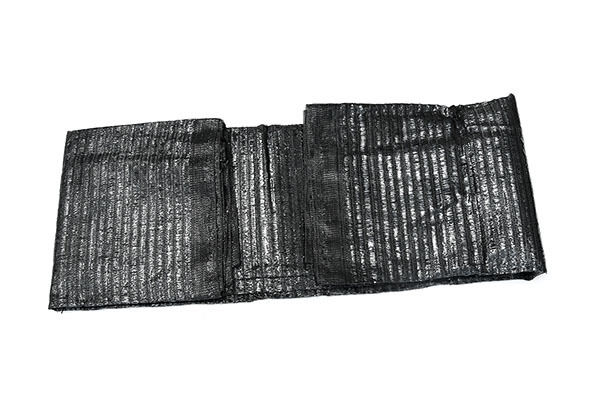
SPECIFICATION OF SHADE CLOTH NETTING
Now with the new Warp knitting looms ,the maximum width can be 12m or 40ft.That means you can order from 1 m to 12m width.The length can be tailored from 5m to 100m.
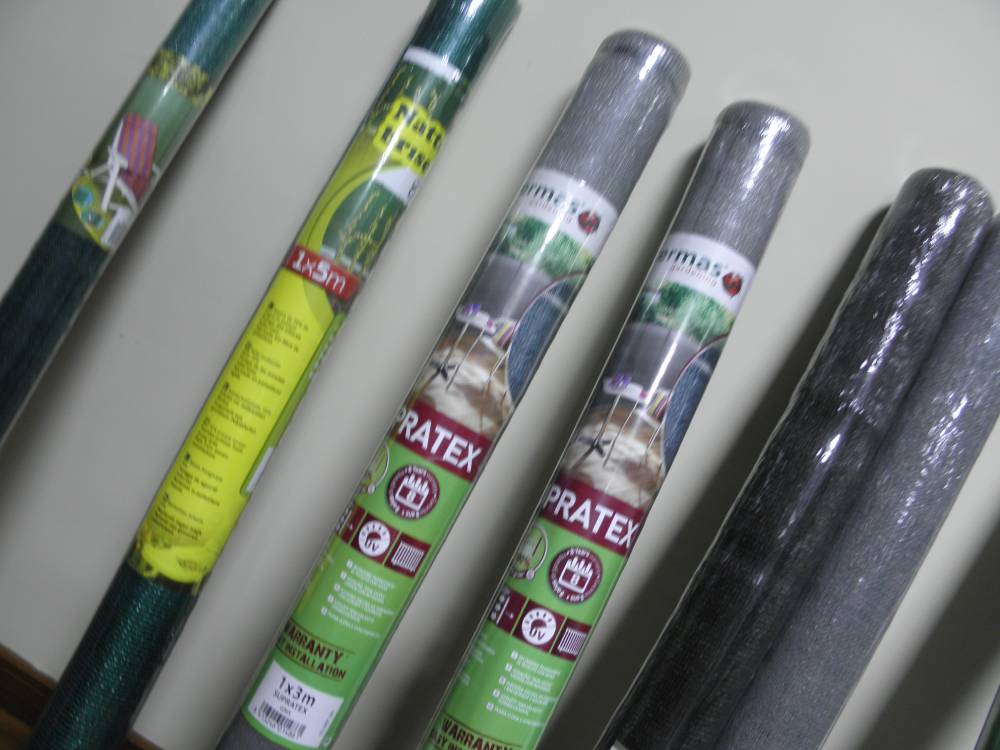
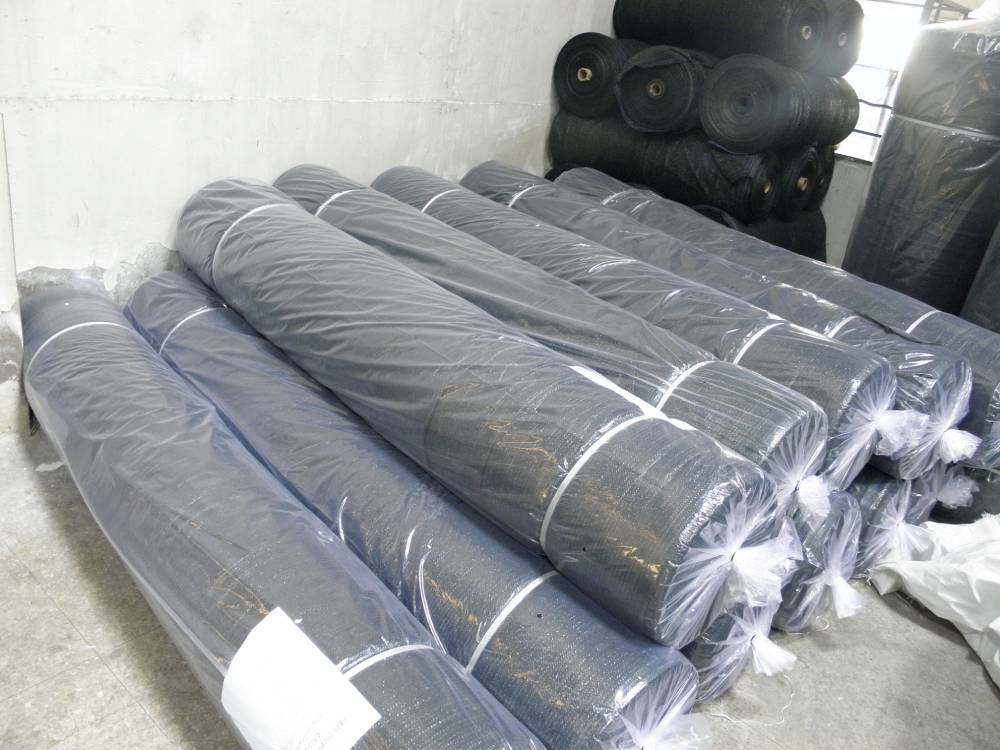
Aluminium Shade Cloth Netting—- special kind of SHADE NET
Aluminet Shade Cloth inside is a high-quality reflective metalized HDPE knitted screen. Used in greenhouse thermal screens and as an alternative to black shade cloth.
It is specially treated to prevent oxidation and protects against frost radiation damages.
Also repels pests and thrips, moderates day/night temperatures.
Easy to install due to lightweight and high elasticity.
- Ultimate shading
- Reduce heat radiation losses and energy saving
- Environmental-friendly glue
- High-quality and Anti-UV
- Available Size
- 4.3x100m
- 5.3x100m


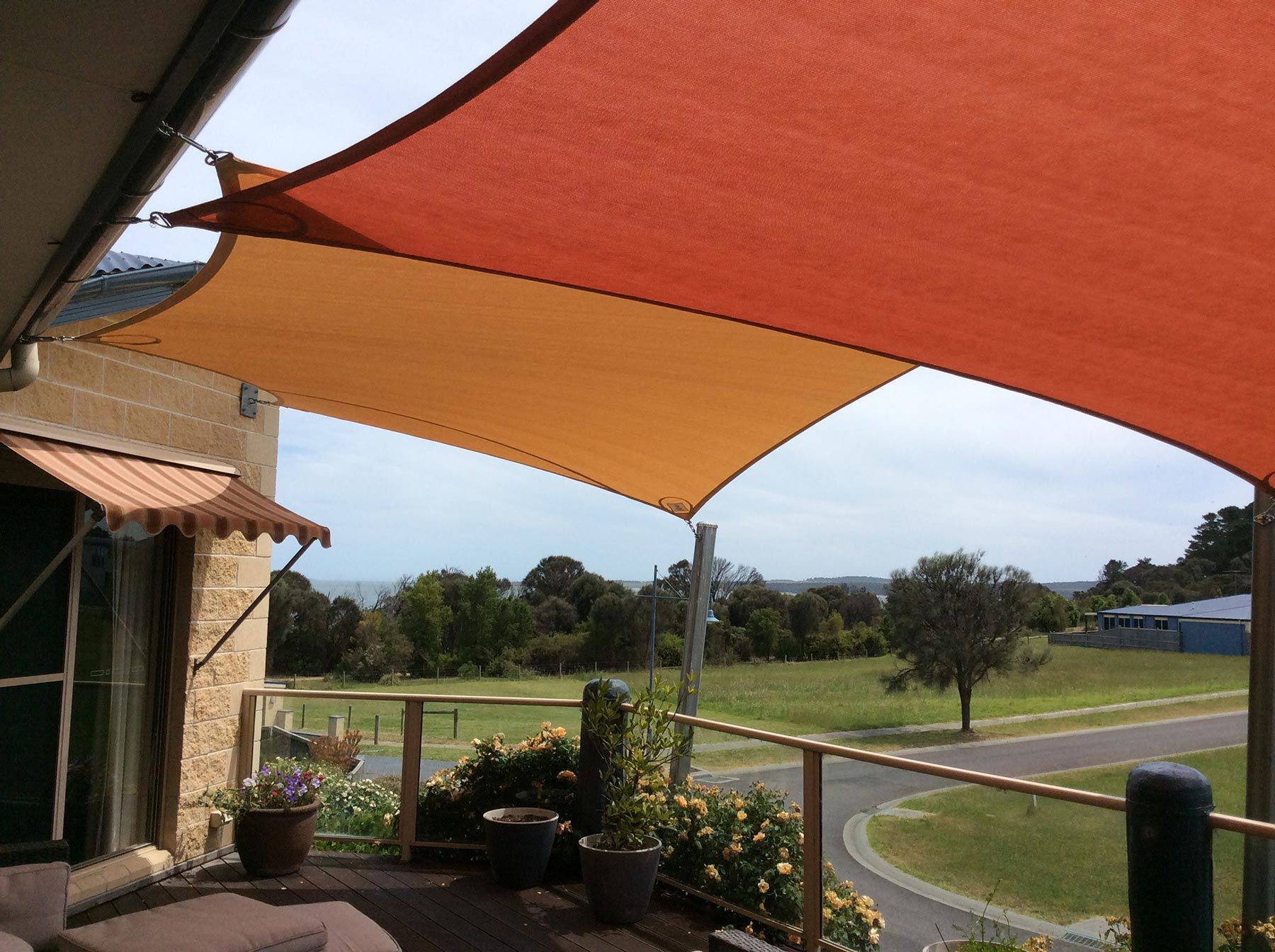
SHADE SAIL
A shade sail is a versatile and stylish way to provide shade and shelter outdoors. Essentially, it’s a piece of fabric, typically made from high-quality UV-resistant material like polyester or HDPE (high-density polyethylene), that is stretched and suspended between anchor points to create a shaded area. They come in various shapes, sizes, and colors, allowing you to customize your outdoor space while providing protection from the sun’s harmful rays. Whether it’s for your backyard, patio, deck, or even a playground, shade sails offer a practical and aesthetically pleasing solution for enjoying the outdoors comfortably.


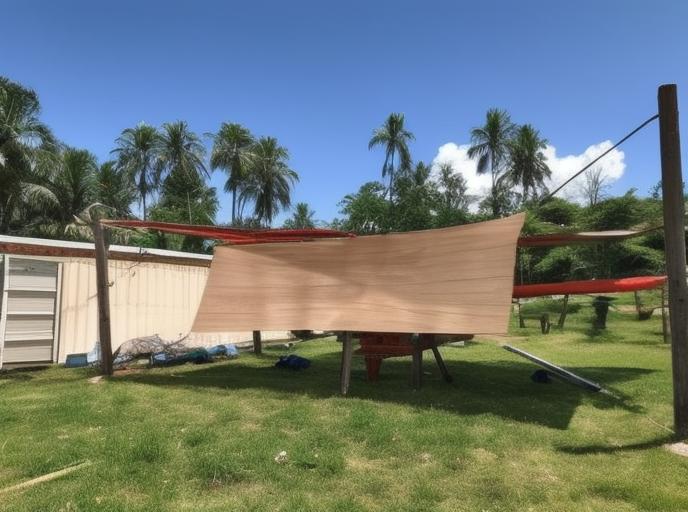
| 3x3m, 3x4m, 5x5m, 3x3x3m, 3x4x5m, 5x5x5m,Customized Triangle / Rectangle / Square | |
| Breaing Strength | Warp≥50N, Weft≥1500N |
| Popular Weight | 120gsm-350gsm , the most popular weight is 160gsm and 185gsm.Customized |
| Shading Rate | Up to 85%-95% and UPF 30+ |
| Spare parts | Long life Stainless steel 304 ring, 5mm, Reinforced webbing and Stitching. |
| Warranty | 5 Years against UV degradation. |
| Packing | Plastic bag with color label inside., then pieces packing into a carton. |
About the Shade Cloth You should Know
https://www.ncbi.nlm.nih.gov/pmc/articles/PMC6016941
Must farmers use shade coth netting for plants or vegetables?
Shade cloth is made from HDPE,high density polyesthylene,also called HDPE net,plastic net,knitted net,knottless net,Raschel net,sunshade net.
Shade nets offer several advantages for agricultural and horticultural applications:
- Temperature regulation: Shade nets help control the temperature by reducing the intensity of direct sunlight, preventing excessive heat buildup and protecting crops from extreme temperatures. This creates a favorable microclimate for plant growth.
- Protection from UV radiation: Shade nets act as a shield against harmful ultraviolet (UV) radiation, which can damage plants and reduce growth. By filtering out UV rays, shade nets maintain optimal growing conditions and prevent UV-related stress.
- Pest and insect control: Shade nets create a physical barrier, preventing direct access of pests and insects to the crops. This reduces the risk of crop damage and minimizes the need for chemical pesticides, promoting environmentally friendly farming practices.
- Water management: Shade nets aid in efficient water management by reducing evaporation and retaining soil moisture. This can lead to water conservation, especially in arid or semi-arid regions.
- Crop quality improvement: By reducing sunlight intensity, shade nets help prevent sunburn, color fading, and other quality issues in fruits and vegetables, resulting in better-looking and more visually appealing crops.
- Crop yield enhancement: Optimal shade levels provided by shade nets promote better photosynthesis and overall plant growth, leading to higher crop yields and increased profitability for farmers.
- Protection during extreme weather: Shade nets offer protection against intense sunlight, heavy rainfall, hail, and other extreme weather events, safeguarding crop health and yield.
In summary, shade nets provide a controlled environment for crops by regulating temperature, light, moisture, and pest exposure, ultimately improving plant growth, yield, and quality while promoting sustainable farming practices.

Copyrights@2025 Ciflower Shanghai All Rights Reserved.

