Ciflower Shanghai Co.,Ltd, global shade net cloth experts
Manufacturing and Exporting All Types of High-Quality Shade Netting. Featuring the Maximum 45-Foot Wide Loom.
Shade cloth series

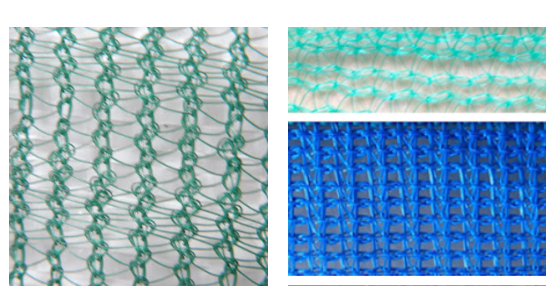
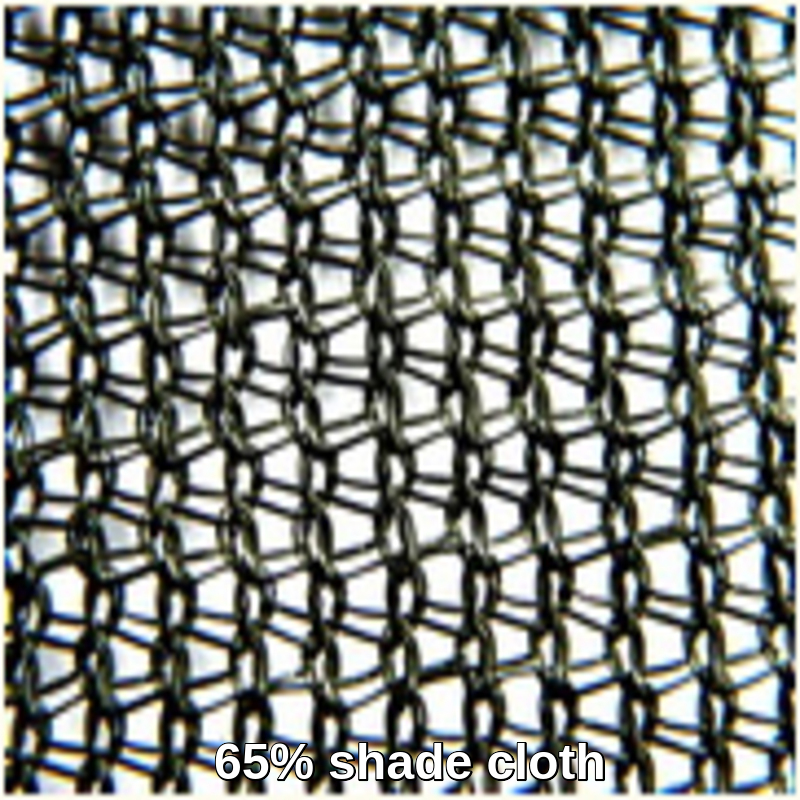


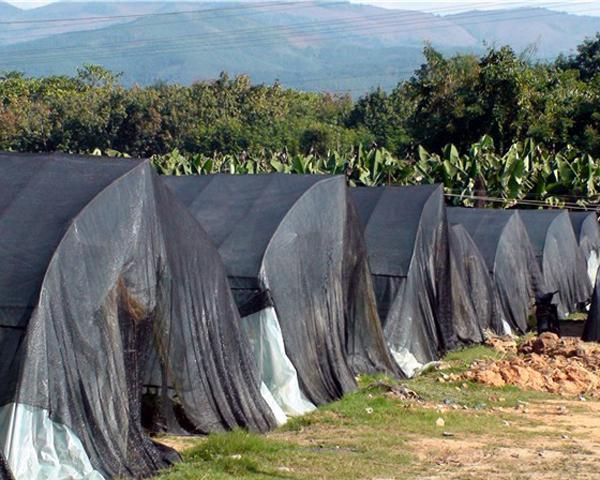
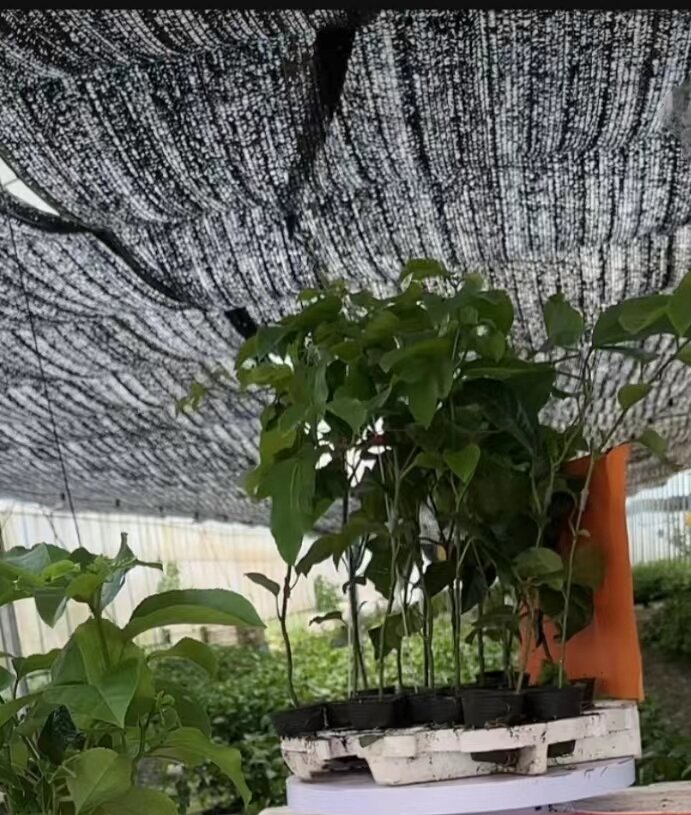



UV treated,long time life span
100% Virgin high density polyethylene
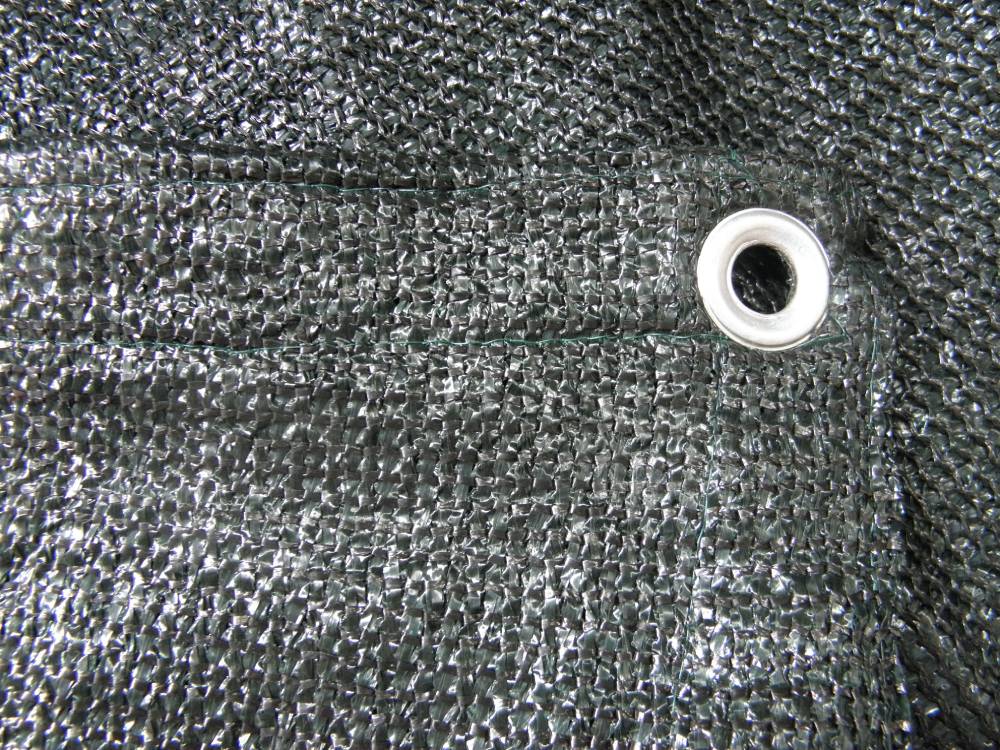
Locked stitch
Reinforced edges
Multiple colors
Longer width to 40ft
Mutiple density from 30g to 300g/m2.
BLACK
Our shade cloth has many choice of shade values & widths. Ideal for every application. Naturally resists the sun’s harmful UV radiation with long life.
WHITE
White shade cloth reduces heat build-up by reflecting the sun’s powerful radiation. White’s reflectivity has improved diffusion underneath.
GREEN
Common in nurseries and other decorative/agricultural applications. Commonly found as windscreens, privacy screens, and tennis courts.
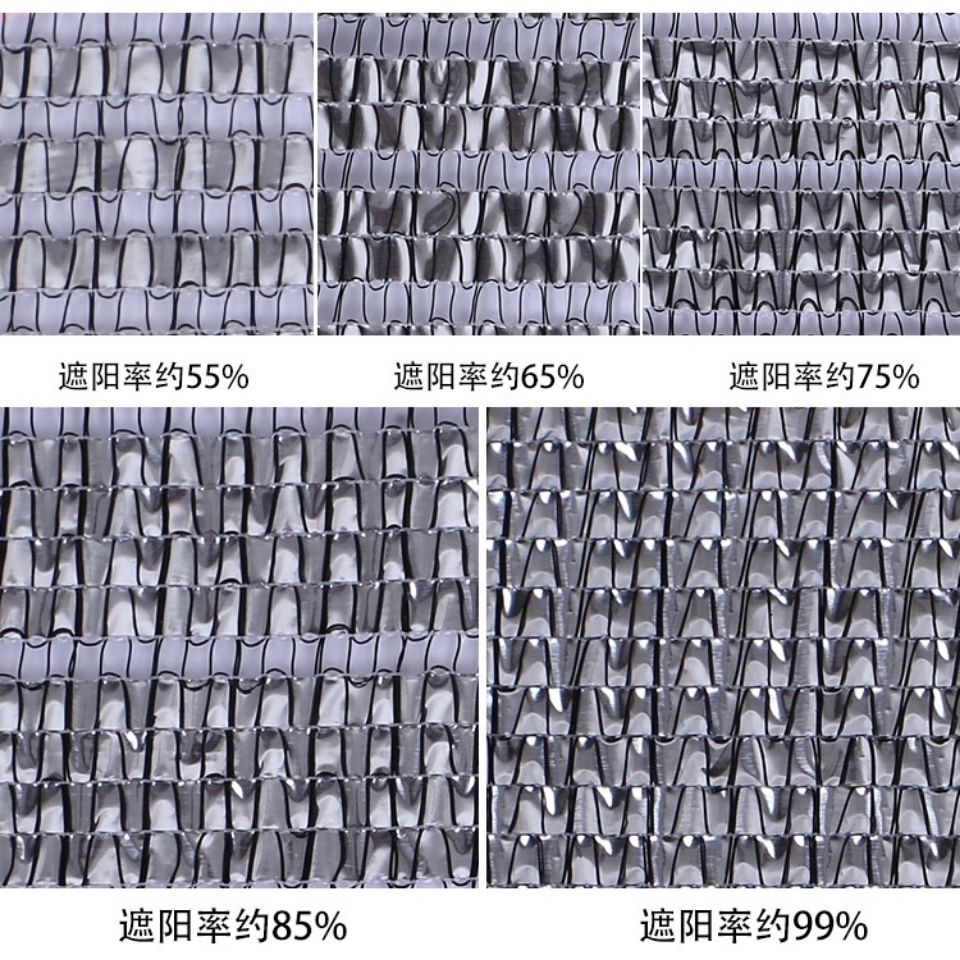
ALUMNINET
Aluminet has maximum radiation reflection on both sides, at night and day. This product substantially reduces heat build-up in greenhouses, skylights, patios etc. Reflectivity maximizes light diffusion underneath. Ideal for retail garden centers.
The Essential Guide to Shade Nets: Protection, Performance, and Productivity
In the world of agriculture, horticulture, and outdoor applications, shade nets have emerged as one of the most versatile and cost-effective solutions for environmental protection. These ingeniously designed fabric structures offer a perfect balance between sunlight filtration and air circulation, making them indispensable tools for modern farming, gardening, and various commercial applications.
Understanding Shade Nets
Shade nets, also known as shade cloth or agro shade nets, are woven or knitted fabrics specifically engineered to provide controlled shade while maintaining optimal airflow. Manufactured primarily from high-density polyethylene (HDPE) or polypropylene materials, these nets are designed to filter harmful UV rays while allowing essential light and air to pass through. The carefully calculated mesh structure ensures that plants, people, and products receive protection without compromising their growth or functionality.
The Science Behind Shade Protection
The effectiveness of shade nets lies in their ability to reduce solar radiation intensity while maintaining photosynthetic activity. Different shade percentages, ranging from 30% to 90%, cater to various requirements. Light-colored nets reflect heat and reduce temperature, while darker variants provide more substantial shade coverage. This scientific approach to sun protection helps create microclimates that can significantly improve growing conditions and extend productive seasons.
Agricultural Applications and Benefits
In agriculture, shade nets have revolutionized crop production methods. They protect sensitive crops from scorching heat, hailstorms, and excessive rainfall while reducing water evaporation by up to 30%. Farmers report improved crop quality, extended harvesting periods, and increased yields when using appropriate shade net configurations. Vegetables like tomatoes, peppers, and leafy greens particularly benefit from the controlled environment that shade nets provide.
The nets also serve as effective barriers against harmful insects and birds, reducing the need for chemical pesticides and creating more sustainable farming practices. This dual function of environmental protection and pest control makes shade nets an economically viable investment for farmers of all scales.
Horticultural Excellence
Nurseries and garden centers extensively use shade nets to create optimal growing conditions for seedlings, ornamental plants, and delicate flowers. The controlled light environment prevents transplant shock, reduces plant stress, and ensures healthier root development. Different plants require varying levels of shade, and the availability of multiple shade percentages allows horticulturists to customize growing conditions precisely.
For home gardeners, shade nets extend growing seasons and enable the cultivation of cool-season crops during warmer months. They provide an affordable alternative to expensive greenhouse structures while delivering comparable results for many applications.
Industrial and Commercial Uses
Beyond agriculture, shade nets find extensive applications in construction sites, parking areas, swimming pools, and recreational facilities. They provide workers with comfortable shaded areas, protect equipment from UV degradation, and create pleasant outdoor environments for customers and visitors. The durability and weather resistance of modern shade nets make them suitable for long-term installations in challenging environments.
Quality and Durability Factors
Premium shade nets incorporate UV stabilizers that prevent degradation from prolonged sun exposure, ensuring longevity and consistent performance. Quality nets feature reinforced edges, corrosion-resistant grommets, and tear-resistant construction that can withstand strong winds and harsh weather conditions. The investment in high-quality shade nets pays dividends through extended service life and maintained effectiveness over time.
Environmental Impact and Sustainability
Shade nets contribute to environmental sustainability by reducing water consumption, minimizing chemical pesticide use, and extending the productive life of agricultural land. Their recyclable materials and long service life make them an eco-friendly choice for environmentally conscious users. The energy savings achieved through reduced cooling requirements in shaded areas further enhance their environmental benefits.
Installation and Maintenance
Modern shade net systems are designed for easy installation and minimal maintenance. Proper installation ensures maximum effectiveness and longevity, while regular inspection and cleaning maintain optimal performance. The flexibility of shade net systems allows for seasonal adjustments and reconfiguration based on changing needs.
Economic Advantages
The cost-effectiveness of shade nets becomes apparent when considering their multiple benefits: increased crop yields, reduced water usage, lower cooling costs, and decreased crop losses from weather damage. The initial investment is typically recovered within the first growing season, making shade nets an attractive proposition for budget-conscious farmers and businesses.
Future Innovations
Technological advancements continue to improve shade net performance, with new materials offering enhanced UV protection, better air permeability, and increased durability. Smart shade systems with automated deployment and retraction capabilities represent the next evolution in shade net technology.
Conclusion
Shade nets represent a perfect convergence of simplicity, functionality, and effectiveness. Whether protecting crops from harsh weather, creating comfortable outdoor spaces, or enhancing horticultural operations, these versatile tools deliver consistent results across diverse applications. As climate challenges intensify and the need for sustainable solutions grows, shade nets will undoubtedly play an increasingly important role in agriculture, horticulture, and commercial applications.
The investment in quality shade nets is an investment in productivity, sustainability, and long-term success. By choosing the right shade net solution, users can create optimal environments that protect, enhance, and sustain their valuable assets while contributing to more sustainable practices for future generations.
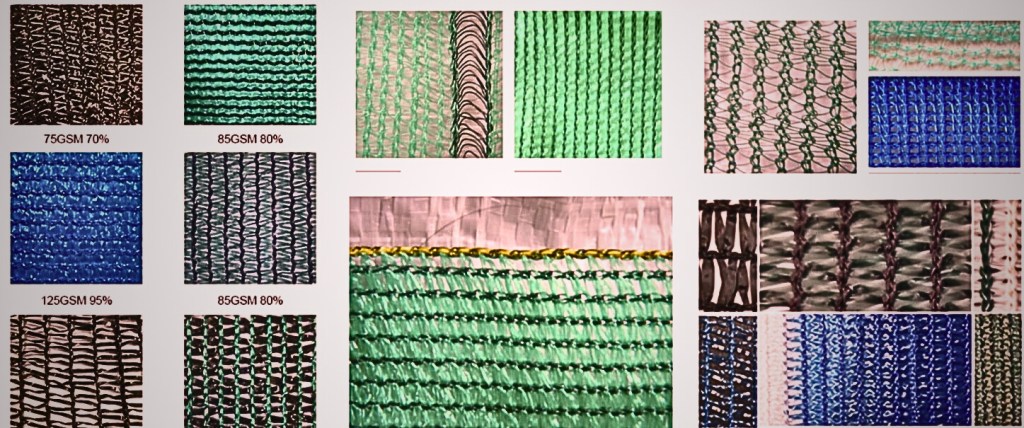
Collection of samples of color greenhouse netting
 Ciflower Shanghai Co.,Ltd, global shade net cloth experts